
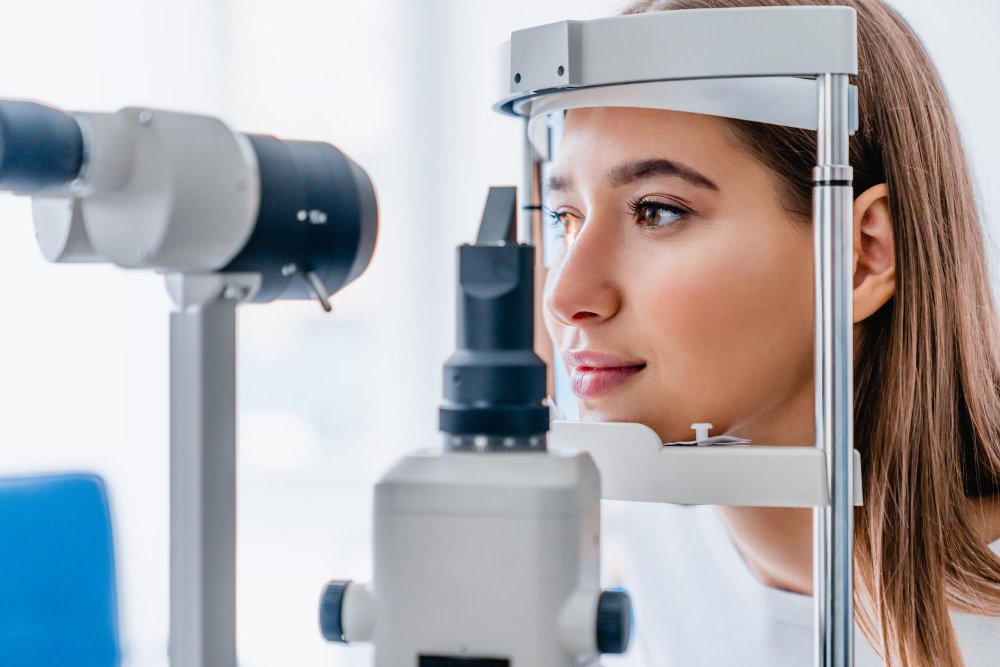
Vision often feels stable until a subtle change begins to affect daily life, yet the importance of eye exams goes far beyond correcting blurred sight. A detailed eye examination offers a direct view into blood vessels and nerve health, revealing early signs of systemic conditions that might otherwise remain unnoticed.
Regular visits help track changes over time, guide timely care, and protect long-term visual clarity. Even individuals with sharp vision can benefit from a closer look at what the eyes may already be signaling beneath the surface.
Eye Exams Reveal More Than Vision Clarity
Many people associate eye exams with reading letters on a chart, but that represents only one part of a much broader evaluation. The eyes offer a unique window into the body, allowing licensed optometrists to observe blood vessels, optic nerves, and subtle structural changes that reflect overall health.
During comprehensive eye exams, early signs of conditions such as Diabetes or High Blood Pressure may become visible before noticeable symptoms appear. Changes in the retina can also point toward elevated cholesterol levels or inflammation within the body.
This deeper level of insight makes routine eye exams an important part of long-term health awareness, not just a step toward clearer vision.
Why Many Eye Conditions Develop Without Notice
A significant number of eye conditions progress quietly. In the early stages, there may be no discomfort or visible warning signs, which leads many individuals to delay routine checkups.
Conditions such as Glaucoma often develop slowly, affecting peripheral vision before central vision is impacted. By the time noticeable changes occur, some damage may already be permanent. Similarly, Cataracts can begin with mild clouding that gradually worsens over time.
Regular eye exams create a consistent record of eye health, allowing small changes to be identified early. This approach allows for timely management and helps preserve long-term visual function.
Understanding How Often Eye Exams Are Needed
The frequency of eye exams depends on age, medical history, and lifestyle. While individuals with stable vision may feel less urgency, routine evaluations still play an important role in maintaining eye health.
Adults in their twenties and thirties may schedule exams every few years if no concerns are present. As age increases, more frequent visits help monitor changes that naturally occur over time. Those with existing conditions, a family history of eye disease, or reliance on contact lenses often require closer observation.
Children also benefit from early and regular vision screening. Clear vision supports learning, coordination, and overall development, making early detection of issues particularly valuable.
What Happens During Comprehensive Eye Exams
A detailed eye exam includes several components that go far beyond a simple vision check. Each step contributes to a complete understanding of eye health and visual performance.
Visual acuity testing measures how clearly a person can see at various distances. Additional tests assess depth perception, peripheral awareness, and color recognition. These elements work together to evaluate how the eyes function in everyday situations.
The examination also includes a close inspection of internal eye structures. Using specialized instruments, the optometrist examines the retina, optic nerve, and blood vessels. In some cases, eye drops are used to widen the pupils, allowing for a clearer view of internal structures.
Screening for conditions such as glaucoma may involve a gentle puff of air or a brief contact-based measurement. These procedures are quick and generally comfortable, yet they offer valuable insight into eye pressure and nerve health.
The Link Between Eye Health and Long-Term Vision Care
Vision changes rarely occur in isolation. They often reflect broader patterns within the body, which makes ongoing monitoring an important part of long-term care.
For individuals managing conditions like diabetes, regular diabetic eye exams help track changes in retinal blood vessels. Early identification of diabetic retinopathy can reduce the risk of vision loss through timely intervention.
Age-related changes also require attention. Over time, the risk of conditions affecting the lens, retina, and optic nerve increases. Regular eye exams help track these developments and guide appropriate next steps.
Maintaining a consistent schedule of eye exams allows for a proactive approach, rather than reacting to sudden changes in vision.
Choosing the Right Approach to Eye Care
Understanding the difference between eye care professionals can help guide informed decisions. Optometrists focus on vision testing, prescription eyewear, and identifying early signs of eye disease. They may also manage certain conditions and recommend further care when needed.
Ophthalmologists, on the other hand, are medical doctors who handle more advanced cases, including surgical procedures. For routine care and ongoing monitoring, many individuals rely on optometrists for regular eye exams and vision correction.
A well-rounded approach to eye care often begins with consistent visits to a trusted provider who understands individual health history and visual needs.
The Role of Eyewear and Vision Correction
Prescription eyewear and contact lenses play a key role in maintaining clear and comfortable vision. However, selecting the right option involves more than choosing a style or lens type.
A proper fitting considers daily habits, work environment, and visual demands. For example, individuals who spend long hours on digital devices may benefit from lenses designed to reduce strain. Those with active lifestyles may prefer contact lenses that offer flexibility and convenience.
Professional contact lens fittings also include guidance on proper use, care routines, and handling techniques. This attention to detail helps maintain eye health while improving overall comfort.
Why Consistency Matters in Eye Care
Consistency in eye exams allows for accurate tracking of changes over time. Even small variations in vision or eye structure can carry important information when viewed within a broader timeline.
Without regular checkups, these gradual shifts may go unnoticed until they begin to interfere with daily activities. Routine exams help maintain clarity, detect early concerns, and guide informed decisions about treatment or correction.
Long-term vision care is not based on a single visit but on a pattern of attention and awareness that builds over time.
How Clear Sight Optical Helps You Stay Ahead
At Clear Sight Optical, we approach eye care with attention to both detail and comfort. Our licensed optometrists conduct comprehensive eye exams that look beyond vision clarity, helping identify early signs of eye and health conditions.
From prescription eyewear and contact lenses to diabetic eye exams and ongoing care, we guide each patient with a thoughtful, personalized approach that supports long-term vision health.