
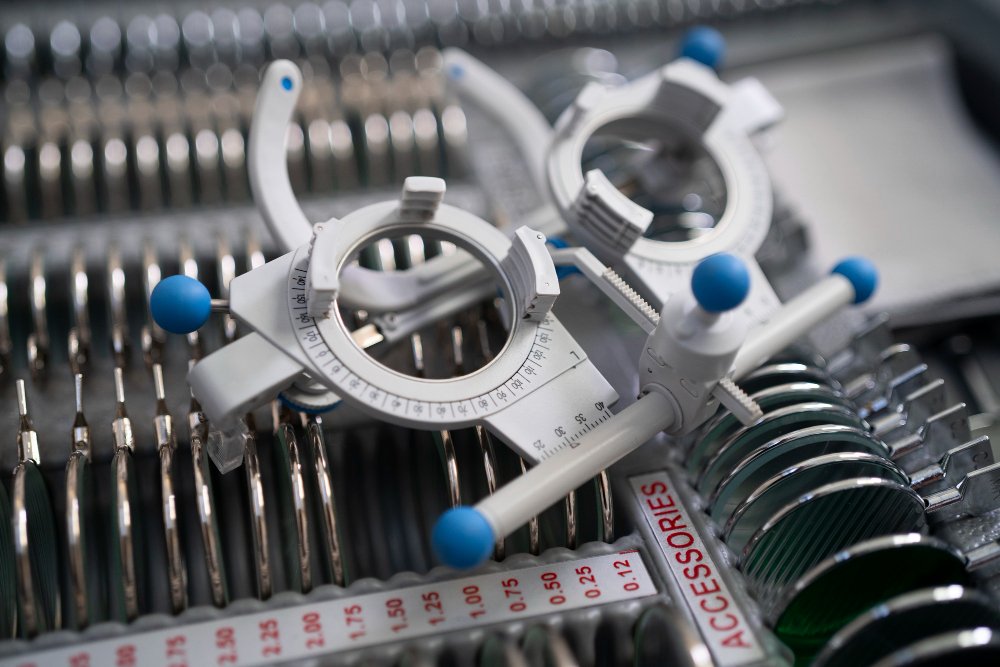
Changes in vision rarely happen all at once, which is why understanding how often you should have an eye test can shape long-term eye health. Many people assume that clear sight means no need for regular exams, yet the eyes often adjust to gradual changes without obvious warning. A structured schedule allows early identification of vision shifts and underlying conditions.
Eye tests also reveal how well the eyes function together, not just how clearly they see, making routine evaluations an important part of maintaining visual clarity over time.
Why Regular Eye Tests Matter More Than You Think
Eye tests serve a broader purpose than updating a prescription. They offer a detailed look at how the eyes function and how internal structures appear over time. Licensed optometrists evaluate the retina, optic nerve, and blood vessels, which can reflect changes linked to general health.
Conditions such as Glaucoma often develop without early symptoms, which makes routine testing valuable. Vision may appear stable while subtle damage progresses in the background. Regular eye tests create a timeline of eye health, allowing small changes to be identified before they interfere with daily life.
The connection between eye health and overall health adds another layer of importance. Eye exams can reveal signs of broader conditions that might not yet present noticeable symptoms.
Recommended Eye Test Frequency by Age
The frequency of eye tests depends on age and individual risk factors. While general guidelines exist, each person benefits from a schedule tailored to personal health history and lifestyle.
Children require early and consistent evaluations because vision plays a role in learning and development. Eye tests before school age can identify concerns such as focusing issues or coordination problems that may affect reading and comprehension.
Adults with no noticeable vision concerns may not feel urgency, yet periodic exams still matter. Vision can change gradually, and establishing a baseline helps track those changes over time. As individuals move into middle age, eye tests become more frequent due to the natural progression of age-related changes.
Older adults face a higher likelihood of conditions such as Cataracts, which develop slowly and may not cause immediate discomfort. Annual eye tests allow these changes to be monitored and addressed at the right time.
Factors That Influence How Often You Need an Eye Test
Age alone does not determine the frequency of eye exams. Several factors influence how often a person should visit an eye care professional.
Medical history plays a major role. Individuals diagnosed with Diabetes or high blood pressure often require more frequent monitoring because these conditions can affect the eyes.
Family history also matters. A history of eye disease within the family increases the likelihood of similar conditions, which may require closer observation.
Lifestyle factors contribute as well. Extended screen use, visually demanding work, or exposure to environmental strain can affect eye comfort and performance. Those who wear prescription glasses or contact lenses typically need regular updates to maintain clear vision.
Each of these elements shapes a personalized schedule that aligns with individual needs rather than relying solely on general timelines.
What Happens During a Comprehensive Eye Exam
A comprehensive eye exam involves a series of evaluations that go beyond a simple vision check. Each step contributes to a complete understanding of how the eyes function.
The process begins with a review of patient history. This includes current symptoms, medications, and any previous eye conditions. This information helps guide the direction of the exam.
Visual acuity testing measures how clearly each eye sees at various distances. Additional preliminary tests assess depth perception, color vision, peripheral awareness, and pupil response. These elements reveal how the eyes perform together in real-world conditions.
Refraction testing determines the correct lens power needed to correct refractive errors such as nearsightedness or astigmatism. Using specialized instruments, the optometrist refines the prescription based on patient responses.
Eye health evaluation follows, using advanced tools to examine internal structures such as the retina and optic nerve. In some cases, dilation allows for a clearer view of these areas.
The Difference Between Eye Tests and Vision Screenings
Many people rely on vision screenings as a substitute for full eye exams, yet the two serve very different purposes. A screening typically checks how well a person can see at a distance using a basic chart.
While this type of test can identify obvious vision issues, it does not evaluate how the eyes function together or assess internal eye health. Important conditions may go undetected because screenings do not include the depth of testing found in comprehensive eye exams.
This difference can create a false sense of reassurance. A person may pass a screening while underlying issues remain unnoticed. Only a full eye exam can confirm the presence or absence of eye disease and provide a complete understanding of vision health.
Signs That You Should Not Delay an Eye Test
Routine schedules offer guidance, but certain symptoms call for immediate attention. Ignoring these signs can lead to further complications.
Blurred or double vision, eye pain, and persistent redness may indicate underlying issues that require evaluation. Visual disturbances such as floaters, flashes of light, or halos around lights also signal the need for prompt care.
Difficulty focusing on screens or reading materials can reflect strain or changes in prescription. Night vision problems or sensitivity to light may point toward developing conditions that benefit from early detection.
These symptoms should not be postponed until the next scheduled exam. Timely evaluation allows for accurate diagnosis and appropriate care.
How Regular Eye Tests Protect Long-Term Vision
Consistent eye exams create a foundation for long-term vision care. Each visit adds to a record that tracks changes in eye structure, vision clarity, and overall function.
This ongoing record allows optometrists to identify patterns and detect shifts that may not be noticeable during a single visit. Early identification leads to timely intervention, which can help preserve vision.
Eye tests also guide decisions related to prescription eyewear and contact lenses. Accurate prescriptions improve comfort, reduce strain, and enhance daily activities such as reading, driving, and working.
Long-term vision care relies on awareness, consistency, and attention to subtle changes that develop over time.
How Clear Sight Optical Helps You Stay on Track
At Clear Sight Optical, we take a thoughtful approach to eye care. Our licensed optometrists conduct comprehensive eye exams that evaluate both vision and overall eye health.
Take control of your vision before small changes become bigger concerns. Schedule your eye test with Clear Sight Optical today and stay ahead of your eye health with care you can trust.